Biogas: What It Is, How It Works, Uses, Benefits, Challenges, and the Future
Biogas is a renewable gaseous fuel produced when microorganisms break down organic matter in an environment without oxygen. It can be generated from animal manure, food waste, crop residues, wastewater sludge, municipal organic waste, and other biodegradable materials.
What makes biogas particularly important is that it connects energy production with waste management. Instead of allowing organic material to decompose uncontrolled, an anaerobic digestion system can capture the methane produced during decomposition and use it for cooking, heating, electricity generation, industrial energy, or fuel.
Table of Contents
Biogas can also be upgraded to produce biomethane, sometimes called renewable natural gas. Biomethane contains a much higher concentration of methane and can be used in many applications that traditionally rely on natural gas.
The International Energy Agency’s 2025 Outlook for Biogas and Biomethane found significant untapped potential from agricultural residues, animal manure, municipal waste, and other organic feedstocks. The IEA also reported that combined global biogas and biomethane production is expected to expand by 22% between 2025 and 2030 under its main forecast.
What Is Biogas?
Biogas is a mixture of gases produced by the biological decomposition of organic matter in the absence of oxygen.
Its main components are:
- Methane
- Carbon dioxide
- Water vapor
- Hydrogen sulfide
- Small quantities of other gases
The methane content varies according to the feedstock and production process. The IEA reports that biogas typically contains approximately 45% to 75% methane by volume, while the U.S. Environmental Protection Agency notes that raw biogas composition can vary considerably by source.
Methane is the component that gives biogas most of its useful energy value.
What Is Anaerobic Digestion?
Anaerobic digestion is the biological process responsible for producing biogas.
The word anaerobic means “without oxygen.”
Inside an anaerobic digester, microorganisms break down organic materials in a controlled oxygen-free environment.
The process produces two major outputs:
- Biogas
- Digestate
The U.S. EPA describes anaerobic digestion as a process in which microorganisms break down organic materials such as food waste, manure, grease, and wastewater solids in the absence of oxygen.
How Does Biogas Production Work?
A typical biogas system has several stages.
Feedstock Collection
Organic material is collected and transported to the digestion facility.
Depending on the project, feedstock may include:
- Cow manure
- Pig manure
- Poultry manure
- Food waste
- Crop residues
- Sewage sludge
- Restaurant waste
- Brewery waste
- Dairy-processing waste
- Vegetable-processing waste
Feedstock Preparation
The material may need to be sorted, mixed, diluted, shredded, or otherwise prepared.
Contaminants such as plastic, stones, metal, or other unwanted materials may need to be removed.
Anaerobic Digestion
Prepared organic material enters an airtight digester.
Microorganisms progressively break down the material.
Biogas Collection
The gas produced inside the digester accumulates in the gas collection system.
It can then be treated and directed toward its intended use.
Digestate Recovery
After digestion, the remaining material is called digestate.
Digestate contains nutrients and organic matter and can potentially be processed into fertilizers, soil amendments, animal bedding, or other products, depending on its composition and local regulations.
The Four Main Biological Stages of Anaerobic Digestion
Anaerobic digestion is a complex microbial process.
Hydrolysis
Large organic molecules such as carbohydrates, proteins, and fats are broken into smaller molecules.
Acidogenesis
Microorganisms convert these smaller molecules into organic acids, alcohols, hydrogen, carbon dioxide, and other compounds.
Acetogenesis
Further microbial reactions convert intermediate products into compounds that methane-producing microorganisms can use.
Methanogenesis
Methanogenic microorganisms produce methane.
This final stage is particularly important because methane becomes the primary energy-bearing component of the resulting biogas.
Main Feedstocks Used to Produce Biogas
Animal Manure
Livestock manure is one of the most established biogas feedstocks.
Dairy farms, pig farms, poultry operations, and other livestock facilities can use manure-based digesters.
Food Waste
Food waste contains significant quantities of biodegradable organic material.
Restaurants, supermarkets, food processors, institutions, and households can potentially supply feedstock to anaerobic digestion systems.
Sewage Sludge
Wastewater treatment facilities can digest sewage sludge to produce biogas.
The gas can then provide energy for the treatment plant.
Crop Residues
Agricultural residues can provide additional feedstock where collection is technically and economically practical.
Examples include residues from cereal production and other agricultural processes.
Industrial Organic Waste
Food and beverage industries generate organic residues that can be suitable for anaerobic digestion.
Examples include:
- Breweries
- Distilleries
- Dairies
- Fruit-processing plants
- Sugar industries
- Meat-processing facilities
Municipal Organic Waste
Cities can separate organic waste from other municipal solid waste streams.
This creates an opportunity to turn waste management into an energy-producing activity.
The IEA’s latest global assessment considers more than 40 feedstock types, grouped broadly into crop residues, animal manure, biowaste, and woody biomass, while excluding feedstocks that directly compete with food or animal feed or create other significant sustainability concerns.
What Is a Biogas Digester?
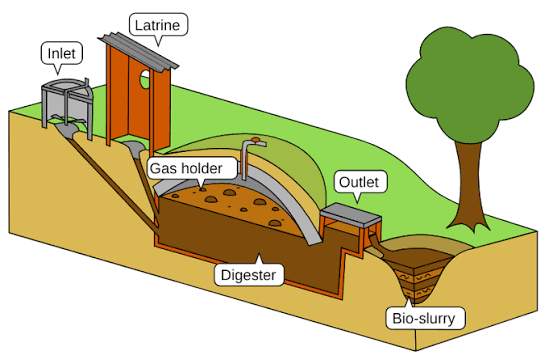
A biogas digester is an enclosed system designed to create conditions suitable for anaerobic digestion.
Common designs include:
Fixed-Dome Digesters
These systems are common in small-scale agricultural and household applications.
Gas accumulates under a fixed dome while digested material moves through the system.
Floating-Drum Digesters
A movable gas holder rises and falls depending on the quantity of gas stored.
Plug-Flow Digesters
These systems are commonly associated with relatively thick feedstocks such as livestock manure.
Covered Lagoons
Large covered lagoons can capture biogas produced from liquid organic wastes.
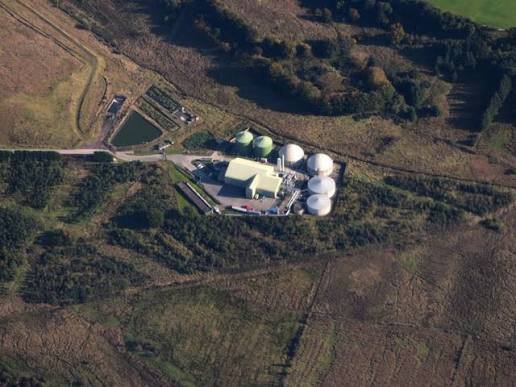
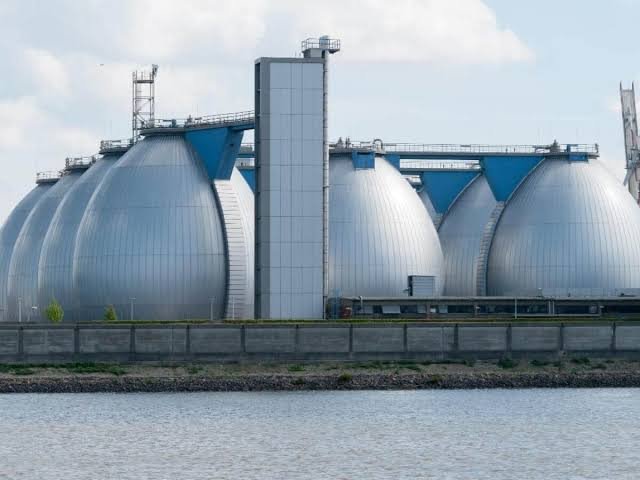
Industrial Digesters
Large facilities can use heated tanks, pumps, mixers, gas-treatment equipment, and automated controls.
What Does Biogas Contain?
The precise composition depends on the feedstock and digestion conditions.
Biogas generally contains:
- Methane
- Carbon dioxide
- Water vapor
- Hydrogen sulfide
- Trace gases
Methane is responsible for most of the fuel value.
Carbon dioxide does not contribute useful combustion energy and is removed during upgrading when biomethane is required.
Hydrogen sulfide is important because it can be corrosive and toxic at sufficient concentrations, making gas treatment and safe handling essential.
Biogas vs Biomethane
Biogas and biomethane are related but not identical.
Biogas is the raw gas produced through anaerobic digestion.
Biomethane is biogas that has undergone upgrading to remove most carbon dioxide, water, and contaminants.
The IEA describes biomethane as a near-pure methane product that is very similar to natural gas. Common upgrading technologies include water scrubbing, membrane separation, and pressure swing adsorption.
The EPA states that raw biogas commonly contains around 45% to 65% methane, while upgraded renewable natural gas generally contains 90% or more methane.
How Is Biogas Used?
Cooking
Biogas can be burned directly in appropriately designed cooking appliances.
This can provide a cleaner alternative to some traditional solid-fuel cooking systems when the biogas system is properly designed and maintained.
Heating
Biogas can fuel boilers, furnaces, and heating systems.
Electricity Generation
Biogas can power internal-combustion engines connected to electrical generators.
Combined Heat and Power
CHP systems use biogas to produce electricity while recovering useful heat from the engine or generator.
This can increase overall energy utilization where a nearby heat demand exists.
Vehicle Fuel
After upgrading, biomethane can be compressed and used as a vehicle fuel.
Natural Gas Substitute
Biomethane can be injected into suitable gas networks where quality and regulatory requirements are met.
The EPA identifies thermal applications, electricity generation, vehicle fuel, and bio-product feedstock among the possible uses of renewable natural gas.
Biogas in Agriculture
Agriculture provides an especially strong opportunity for biogas production because farms can generate large amounts of organic material.
A livestock farm, for example, can collect manure and feed it into an anaerobic digester.
The resulting system can produce:
- Biogas
- Electricity
- Heat
- Digestate
- Potential fertilizer products
This creates a circular relationship between agriculture and energy.
Instead of treating manure solely as waste, it becomes a feedstock for energy production.
Digestate: The Other Product of Biogas Production
Biogas is not the only useful output of anaerobic digestion.
The remaining digestate contains nutrients and organic matter.
Depending on feedstock quality and treatment, digestate can be separated into liquid and solid fractions.
Potential uses include:
- Fertilizer
- Soil amendment
- Compost-related products
- Animal bedding
- Agricultural nutrient recovery
However, digestate should not automatically be considered safe for unrestricted land application. Its quality depends on the original feedstock, contamination levels, pathogen treatment, nutrient concentrations, and local regulations.
Environmental Benefits of Biogas
Organic Waste Management
Anaerobic digestion provides an alternative pathway for managing organic waste.
Instead of sending biodegradable material directly to landfill, it can be processed in a controlled environment.
Methane Capture
Uncontrolled decomposition of organic material can release methane.
Capturing the gas and using it as fuel can prevent some methane from reaching the atmosphere.
The climate benefits depend strongly on the quality of the system and whether methane leakage is effectively controlled. The IEA specifically emphasizes the importance of minimizing methane emissions throughout the biogas value chain.
Renewable Energy Production
Biogas converts organic materials into usable energy.
This can reduce demand for some fossil fuels.
Nutrient Recycling
Digestate can return nutrients to agricultural systems when appropriately treated and managed.
Local Energy Production
Biogas can often be produced close to where organic waste is generated.
This can reduce the need to transport feedstock long distances.
Biogas and Climate Change
Biogas is often described as a low-emissions energy source, but its climate performance depends on how the system is designed and operated.
Methane is a powerful greenhouse gas.
If methane leaks from:
- Digesters
- Gas storage
- Pipes
- Compressors
- Upgrading equipment
- Valves
- Other components
the environmental benefits can be substantially reduced.
The IEA emphasizes that methane leakage can significantly weaken or potentially eliminate the emissions advantages of some biogas projects.
Therefore, a good biogas project requires methane monitoring, leak detection, equipment maintenance, appropriate combustion systems, and accurate emissions accounting.
Benefits of Biogas
Biogas offers several potential benefits.
Renewable Fuel
Organic waste can be converted into usable energy.
Waste Reduction
It can divert suitable organic material away from conventional waste-disposal pathways.
Local Energy Security
Communities and farms can produce energy locally.
Multiple Energy Uses
Biogas can produce:
- Heat
- Electricity
- Combined heat and power
- Vehicle fuel
Fertilizer Production
Digestate can provide nutrients for agriculture when properly treated and managed.
Rural Development
Biogas projects can create opportunities for farmers, waste-management companies, equipment suppliers, technicians, and energy businesses.
Reduced Dependence on Fossil Gas
Upgraded biomethane can substitute for fossil natural gas in appropriate applications.
Challenges of Biogas
Feedstock Availability
A digester requires a reliable supply of suitable organic material.
Collection Costs
Waste that is widely dispersed can be expensive to collect and transport.
Contamination
Plastics, metals, chemicals, and other contaminants can interfere with digestion systems.
Methane Leakage
Poorly maintained systems can leak methane.
Hydrogen Sulfide
Hydrogen sulfide can be toxic and corrosive.
Digestate Management
Digestate must be handled responsibly.
Financing
Small and medium-sized projects may struggle to obtain affordable financing.
Technical Expertise
Operators need appropriate training to manage biological conditions, gas systems, equipment, and safety.
Infrastructure
Biomethane projects may require access to gas pipelines, vehicle-fueling infrastructure, electricity grids, or nearby heat users.
The IEA identifies feedstock development, logistics, policy support, permitting, infrastructure, financing, and emissions management among the issues affecting biogas and biomethane project development.
Biogas Safety
Biogas systems require careful safety management.
Methane
Methane is highly flammable.
Gas leaks can create fire and explosion hazards.
Hydrogen Sulfide
Hydrogen sulfide is toxic and may be present in biogas.
Pressure
Gas-storage systems can operate under pressure and require appropriate equipment.
Confined Spaces
Digesters, tanks, pits, and related facilities can present serious confined-space hazards.
Safe Operations
Proper systems should include:
- Gas detectors
- Ventilation
- Pressure-relief devices
- Emergency shutdown systems
- Flame protection
- Appropriate electrical equipment
- Regular leak inspections
- Operator training
The EPA notes that methane and hydrogen sulfide require appropriate gas-handling precautions and trained operators.
Biogas and Electricity Generation
Biogas can be burned in engines connected to generators.
The resulting electricity can be:
- Used on-site
- Supplied to nearby facilities
- Exported to a grid where regulations allow
- Used in combination with recovered engine heat
Combined heat and power can be particularly valuable when both electricity and heat are needed.
For example, a food-processing plant could potentially use biogas to generate electricity while recovering heat for industrial processes.
Biogas and Renewable Natural Gas
Upgrading biogas into biomethane expands its potential uses.
During upgrading, contaminants and carbon dioxide are removed.
Technologies include:
- Water scrubbing
- Membrane separation
- Pressure swing adsorption
- Amine-based systems
- Other gas-separation technologies
The final product can meet applicable specifications for gas-grid injection or vehicle fuel.
Biogas in Transport
Biomethane can be compressed and used in natural-gas-compatible vehicles.
It can be particularly relevant to fleets with centralized fueling systems, such as:
- Buses
- Waste-collection trucks
- Delivery fleets
- Heavy-duty vehicles
The suitability of biomethane for transport depends on infrastructure, vehicle availability, fuel standards, and economics.
Biogas in Industry
Industrial facilities can use biogas or biomethane for:
- Process heat
- Boilers
- Drying
- Steam generation
- Electricity
- Combined heat and power
Biomethane can be especially useful where direct electrification is difficult or where existing gas equipment can be adapted.
Biogas and Developing Countries
Biogas can be particularly relevant in rural areas where agricultural waste is abundant.
Small digesters can potentially provide cooking fuel from animal manure.
Larger systems can support farms, food-processing facilities, wastewater treatment plants, and municipal waste-management systems.
This can have several interconnected benefits:
- Local energy production
- Waste management
- Reduced reliance on purchased fuels
- Agricultural nutrient recycling
- Potential income generation
However, successful deployment requires appropriate technology, maintenance, financing, training, feedstock availability, and local market conditions.
Biogas in Africa
Africa has significant quantities of agricultural residues, animal manure, food waste, and other organic materials.
The IEA has identified substantial sustainable biogas potential in developing economies and highlights the ability of biogas to provide local heat, electricity, and clean cooking services.
In rural areas, appropriately designed household and community digesters can convert livestock manure into cooking gas.
At a larger scale, agricultural and municipal projects could produce electricity or biomethane.
The most suitable model depends on local feedstock availability, energy demand, water availability, infrastructure, financing, and technical capacity.
Biogas vs Natural Gas
| Feature | Biogas | Biomethane | Fossil Natural Gas |
|---|---|---|---|
| Main origin | Organic waste | Upgraded biogas | Geological fossil deposits |
| Main energy component | Methane | Mostly methane | Methane |
| Renewable | Yes, when sustainably sourced | Yes, when sustainably sourced | No |
| CO₂ in raw gas | Significant | Mostly removed | Low compared with raw biogas |
| Requires upgrading? | Not always | Yes | No |
| Possible gas-grid use | Limited | Yes, where standards allow | Yes |
| Main feedstocks | Waste and residues | Waste and residues | Underground deposits |
Biogas vs Biomass
Biogas is a gaseous bioenergy product, while biomass is a much broader category.
Biomass includes biological materials such as:
- Wood
- Agricultural residues
- Animal waste
- Food waste
- Energy crops
- Organic municipal waste
Biogas is one pathway for converting certain biomass and organic wastes into energy.
The Future of Biogas
The global biogas industry is increasingly moving beyond small household digesters toward larger integrated systems.
The IEA’s 2025 Renewables report projects 22% growth in combined global biogas and biomethane production between 2025 and 2030. The forecast indicates that biomethane will account for much of the net growth because it can use existing gas infrastructure and serve applications that may be difficult to electrify directly.
Potential areas of future development include:
- Large agricultural digesters
- Food-waste digestion
- Municipal organic-waste systems
- Wastewater biogas recovery
- Biomethane production
- Renewable gas networks
- Bio-CNG
- Industrial heat
- Sustainable aviation fuel feedstocks
- Bio-based chemicals
- Nutrient recovery
Biogas and the Circular Economy
One of the most important concepts associated with biogas is the circular economy.
A traditional linear system can be represented as:
Resource → Product → Waste
A circular system aims to recover value from waste.
With anaerobic digestion, the process can become:
Organic resources → Food/agriculture → Organic waste → Anaerobic digestion → Biogas + digestate → Energy + nutrients
This does not eliminate waste entirely, but it can recover useful energy and materials.
Biogas and Energy Security
Biogas can contribute to energy security because it can be produced locally.
Countries that import large quantities of fossil fuels may be able to substitute some imported energy with domestically produced biogas or biomethane.
The IEA’s 2025 assessment describes biogases as locally produced fuels that can support energy security, waste management, emissions reduction, and agricultural development.
Frequently Asked Questions About Biogas
What is biogas?
Biogas is a mixture of gases, primarily methane and carbon dioxide, produced when microorganisms decompose organic matter without oxygen.
How is biogas produced?
It is mainly produced through anaerobic digestion of materials such as manure, food waste, crop residues, and wastewater solids.
Is biogas renewable?
Yes. Biogas is generally considered a renewable energy source when it is produced from sustainably managed organic materials.
What is the main gas in biogas?
Methane is the main energy-bearing gas in biogas. The exact methane concentration varies according to the feedstock and process.
What is biomethane?
Biomethane is biogas that has been upgraded to remove most carbon dioxide, water, hydrogen sulfide, and other contaminants.
Can biogas generate electricity?
Yes. Biogas can fuel engines, turbines, or other generation systems to produce electricity.
Can biogas be used for cooking?
Yes. Properly treated biogas can be used as a cooking fuel in suitable appliances and systems.
Can biogas replace natural gas?
Raw biogas is not generally equivalent to pipeline-quality natural gas. However, after upgrading, biomethane can be suitable for applications that use natural gas where technical and regulatory requirements are met.
What happens to the material left after digestion?
The remaining material is called digestate. Depending on its composition and treatment, it can be used for fertilizer, soil amendments, animal bedding, or other applications.
Is biogas environmentally friendly?
Biogas can provide environmental benefits by recovering energy from organic waste and capturing methane that might otherwise escape. However, its actual climate performance depends on feedstock sourcing, methane leakage, energy inputs, digestate management, and system design.
Is biogas safe?
Properly designed and operated systems can be used safely, but methane and hydrogen sulfide create significant hazards. Gas detection, ventilation, pressure controls, maintenance, and operator training are essential.
Conclusion
Biogas is more than a renewable fuel. It is a technology that connects energy production, waste management, agriculture, sanitation, and resource recovery.
Through anaerobic digestion, organic materials such as animal manure, food waste, crop residues, and wastewater solids can be converted into methane-rich biogas. The gas can provide heat, cooking fuel, electricity, or combined heat and power. When upgraded, it becomes biomethane, which can potentially substitute for fossil natural gas in transport, industry, buildings, and gas networks.
The technology also produces digestate, creating opportunities for nutrient recycling and agricultural applications.
Nevertheless, biogas is not automatically low-carbon simply because it is renewable. Methane leakage, feedstock sustainability, transportation requirements, contamination, digestate management, and project efficiency all influence its environmental performance. Strong monitoring and responsible project design are therefore essential.
Current IEA research indicates that global biogas and biomethane production is expanding and that a large amount of sustainable feedstock remains underutilized. Its latest global mapping work, updated in September 2026, evaluates sustainable feedstocks across more than 40 categories while excluding resources that directly compete with food production or create significant sustainability concerns.
For further research, useful authoritative sources include the IEA Outlook for Biogas and Biomethane, the IEA Global Biogas and Biomethane Potential Map, the U.S. EPA’s Anaerobic Digestion resources, and the EPA’s Renewable Natural Gas resources.
You may also like

Leave a Reply