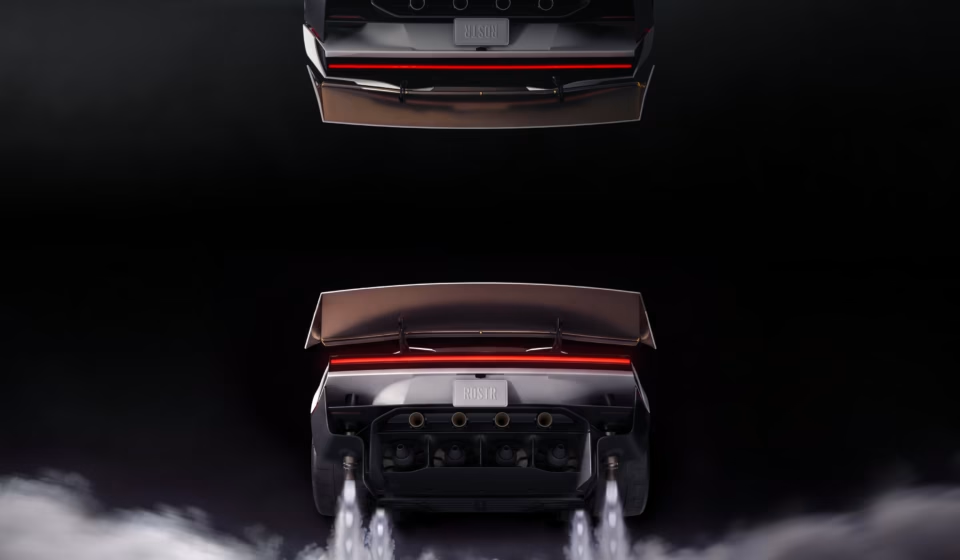
Tesla’s Flying Roadster: Features, SpaceX Rocket Technology, Performance, Price and Release Date

Tesla’s Flying Roadster has become one of the most extraordinary developments in electric vehicle technology. Combining the concept of a high-performance electric sports car with rocket-inspired propulsion technology, the next-generation Tesla Roadster aims to push the boundaries of what a road-going vehicle can do.
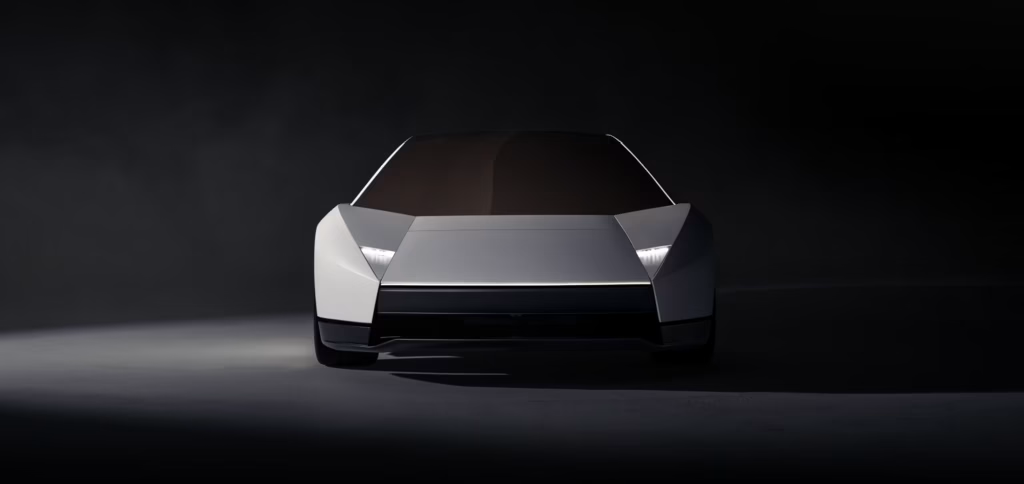
On October 15, 2026, Tesla showcased its redesigned next-generation Roadster at an event in Texas, featuring dramatic aerial maneuvers made possible by specialized propulsion technology. The demonstration renewed attention to Elon Musk’s ambition to combine electric automotive engineering with aerospace technology.
Table of Contents
However, the expression “flying car” requires some explanation. A vehicle that briefly leaves the ground is not necessarily an aircraft capable of sustained, controlled flight between destinations. The Roadster’s demonstrated aerial capabilities must therefore be distinguished from the flight capabilities of airplanes, helicopters and electric vertical take-off and landing aircraft.
This article explores the Tesla Flying Roadster, its potential flying capabilities, SpaceX technology, performance, design, pricing and availability in the United States, Europe and Asia.
What Is Tesla’s Flying Roadster?
The Tesla Flying Roadster is a nickname commonly used to describe the next-generation Tesla Roadster associated with rocket-inspired propulsion technology developed in collaboration with SpaceX.
Tesla first unveiled its next-generation Roadster in November 2017, promising a high-performance electric sports car with exceptional acceleration, a high top speed and an impressive driving range. The company subsequently discussed an optional SpaceX package that would use compact rocket thrusters to improve acceleration, braking and cornering, with the possibility of briefly lifting the vehicle into the air.
The October 2026 demonstration brought renewed attention to that idea. The showcased prototype performed aerial maneuvers using specialized propulsion equipment. Nevertheless, a demonstration does not establish that every planned production Roadster will have identical capabilities or that unrestricted flying will be permitted on public roads.
Unlike conventional flying-car concepts that use propellers, wings or multiple electric rotors, the Roadster’s approach centers on rocket-style thrust and specialized equipment integrated into a high-performance automotive platform.
Its intended appeal is therefore twofold: the acceleration and handling of an electric hypercar, together with an experimental ability to perform maneuvers that ordinary cars cannot.
Why Is Tesla Developing a Flying Roadster?
Tesla has built its reputation around electric vehicles, battery technology, charging infrastructure and software-driven vehicle features. The Roadster represents a different ambition: demonstrating how far electric propulsion and advanced engineering can go when cost and practicality are not the primary design constraints.
1. Demonstrating Extreme Automotive Performance
The Roadster is intended to sit at the top of Tesla’s performance lineup. Its development emphasizes rapid acceleration, aerodynamic efficiency and advanced propulsion systems rather than the affordability and practicality associated with mass-market models.
The flying demonstration also offers a distinctive way to showcase engineering that would be difficult to communicate through ordinary acceleration tests.
2. Combining Tesla and SpaceX Engineering
Tesla specializes in electric vehicles, battery systems and automotive manufacturing, while SpaceX develops rockets, spacecraft and other aerospace systems.
Bringing engineering expertise from these organizations together creates an opportunity to explore technologies that would not ordinarily be found in a passenger car. The Roadster’s thruster system is an example of this crossover between automotive and aerospace engineering.
3. Creating a Technological Flagship
A flagship vehicle can demonstrate a company’s engineering ambitions even when it is not expected to sell in large numbers.
For Tesla, the Roadster could function as a showcase for advanced materials, high-performance electric powertrains, sophisticated controls and experimental propulsion technology. It may also help attract attention to the company’s broader engineering capabilities.
Tesla Flying Roadster Design and Exterior
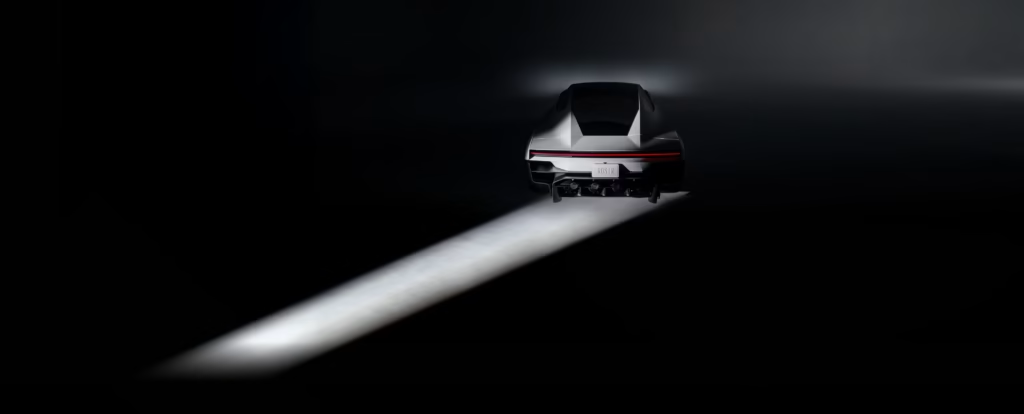
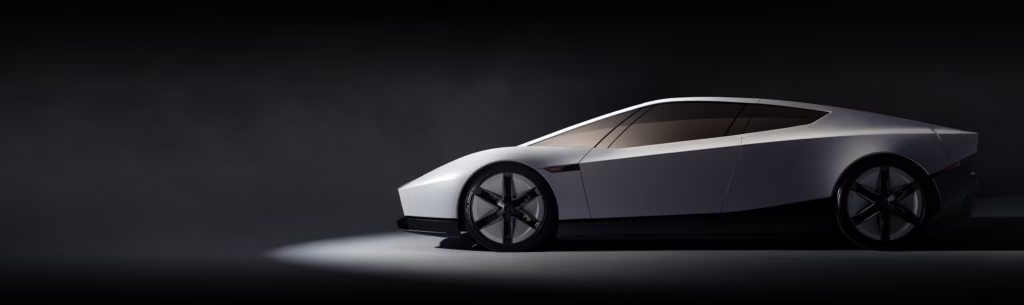
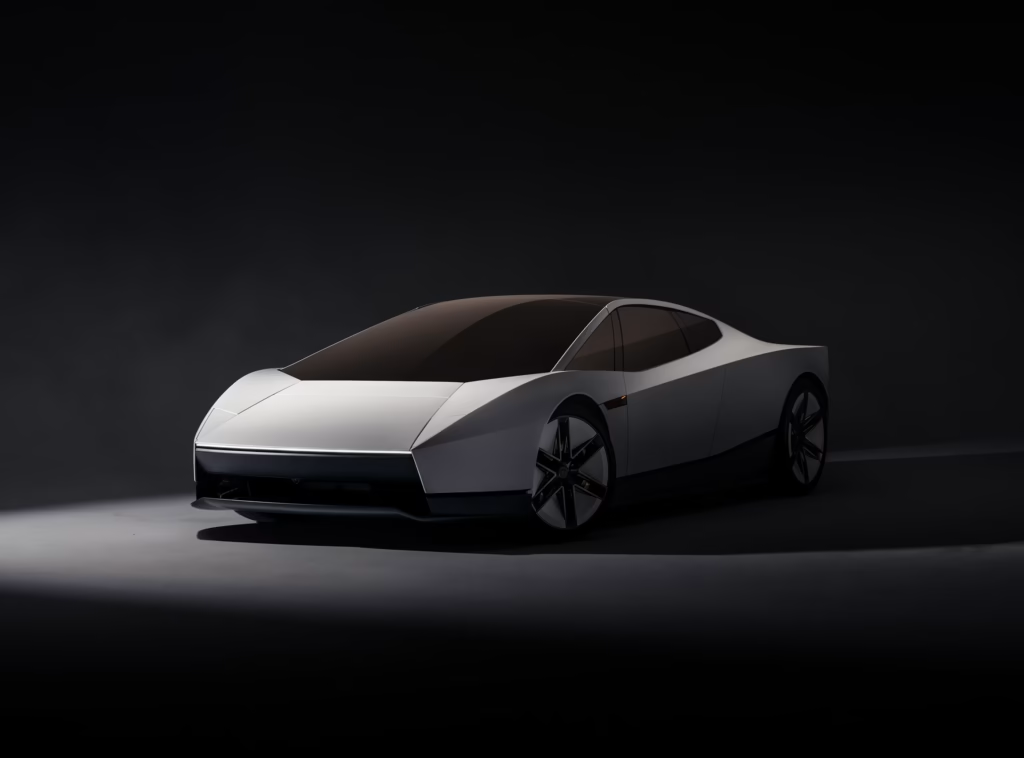
The next-generation Roadster builds on the low-slung proportions associated with electric hypercars. Its sculpted profile, compact passenger compartment and aerodynamic bodywork are intended to create the visual impression of a machine designed for high speed.
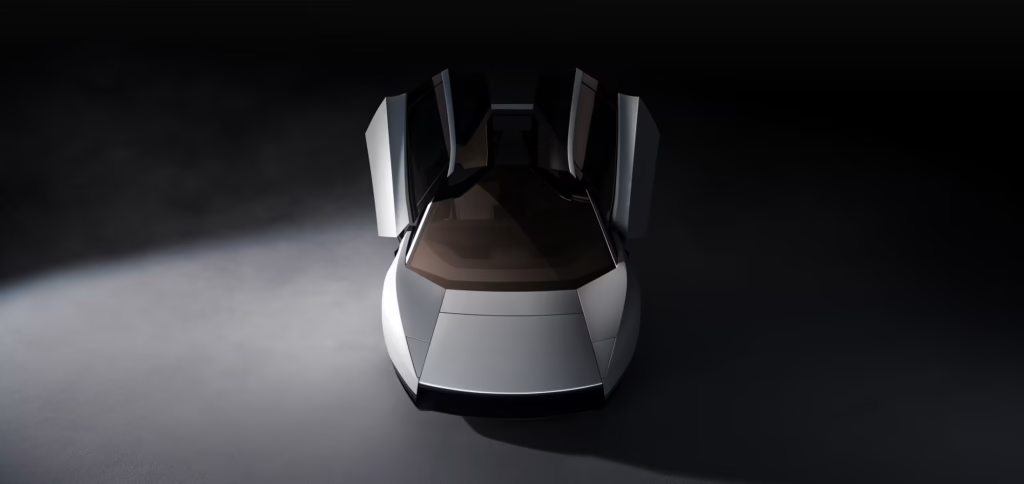
Aerodynamic Bodywork
Aerodynamics becomes increasingly important as a vehicle approaches high speeds. Air resistance affects acceleration, energy consumption, stability and maximum speed.
A streamlined body can reduce drag, while carefully designed aerodynamic surfaces can help manage airflow around the vehicle. The Roadster’s production design will need to balance these considerations with the additional hardware and structural requirements of its propulsion system.
The precise aerodynamic performance of the final production model should be confirmed through official specifications and independent testing.
Lightweight Construction
Reducing weight can improve acceleration, braking, cornering and energy efficiency. For a vehicle expected to incorporate both an electric powertrain and specialized thrust equipment, weight management could be particularly important.
Advanced composites and lightweight structural materials are potential ways to reduce mass, but buyers should wait for Tesla’s final technical specifications before assuming any particular material or weight figure.
Glass Roof and Open-Top Driving
Tesla’s earlier Roadster presentations highlighted a removable glass roof that could be stored in the trunk, allowing an open-air driving experience. Whether all elements from earlier presentations will remain unchanged in the latest design should be confirmed against the final production specification.
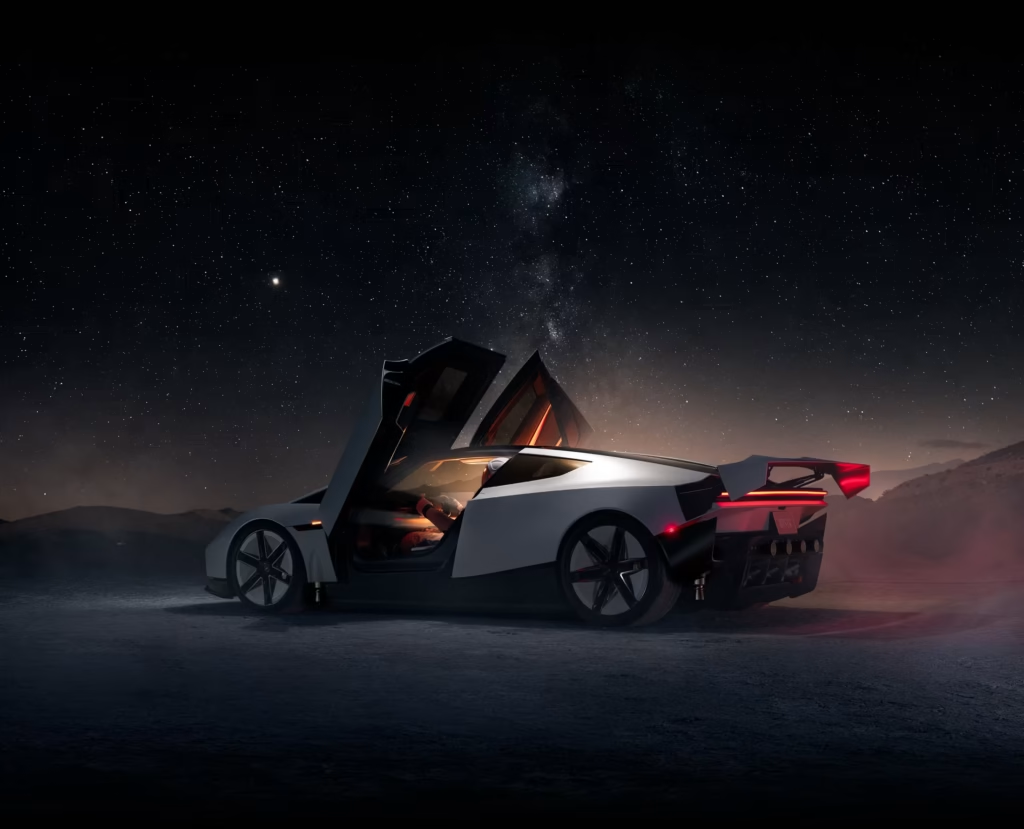
A Design Built Around Performance
The Roadster is not intended to resemble a conventional family electric vehicle. Its low seating position, sports-car proportions and emphasis on speed place it in the premium performance category.
The challenge will be to preserve the usability of a road vehicle while integrating systems normally associated with aerospace engineering.
How Does the Tesla Flying Roadster Fly?
The most distinctive element of the Flying Roadster is its proposed rocket-inspired propulsion system.
Traditional electric cars generate forward motion by sending electricity from a battery to one or more electric motors. Those motors turn the wheels, pushing the vehicle along the road.
Rocket-style thrusters operate differently. They generate thrust by expelling gas in a particular direction, creating a reaction force in the opposite direction. If sufficient thrust is directed upward, it can counteract gravity and lift a vehicle off the ground.
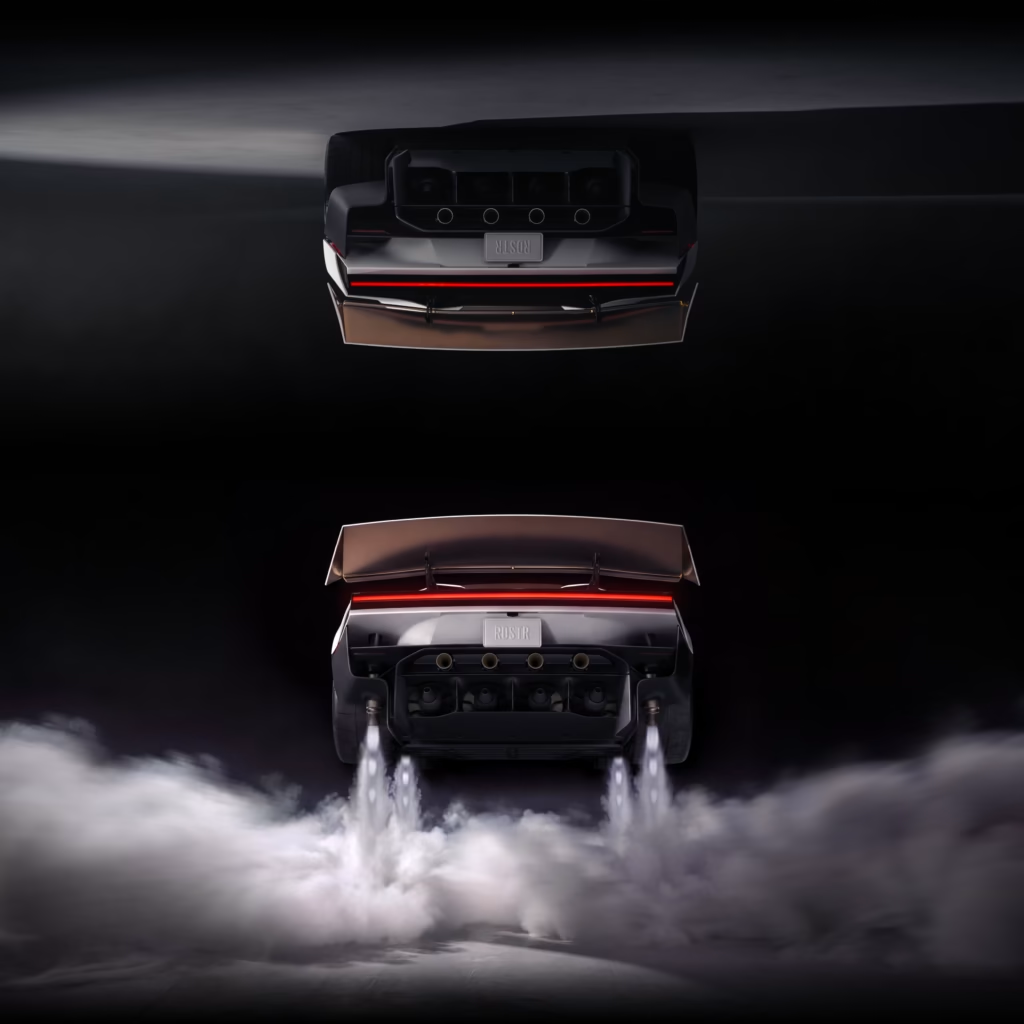
SpaceX-Developed Thrusters
Tesla’s Roadster program has long been associated with an optional SpaceX package. The October 2026 demonstration featured specialized propulsion equipment as part of the system used for aerial maneuvers.
In principle, carefully controlled thrust can produce several effects:
- Vertical lift: Upward thrust can raise a vehicle above the ground when sufficient force is available.
- Directional movement: Angled thrust can change the vehicle’s direction of motion.
- Rotation: Differing forces at carefully selected positions can create rotational movement.
- Controlled descent: Adjusting thrust may help manage a vehicle’s descent, although safe landing depends on the complete control system.
These principles are familiar in aerospace engineering. Applying them to a passenger car introduces significant challenges involving weight, stability, structural strength, thermal management and safety.
The Role of High-Powered Fans
Reports of the October 2026 demonstration described a combination of fans and specialized thrusters. The fan-based system was reportedly used to help the prototype travel along an inverted ramp, while the thrusters enabled aerial maneuvers.
This distinction matters because driving upside down along a specially engineered surface is not the same as flying freely through the atmosphere.
The demonstration showcased a specialized engineering setup rather than proving that the Roadster can operate like a helicopter or airplane in ordinary conditions.
Is It a Fully Functional Flying Car?
The prototype demonstrated the ability to leave the ground and perform aerial stunts. That does not automatically mean the car can fly over traffic, travel long distances through the air or take off from any ordinary road.
A practical flying vehicle would need dependable flight controls, sufficient energy or propellant, redundant safety systems, predictable handling and authorization to operate in the relevant airspace.
Until those requirements are demonstrated and documented, the most accurate description is an electric sports car with experimental aerial capabilities.
Tesla Flying Roadster Specifications and Expected Performance
The Roadster’s appeal rests on its promise of extreme acceleration and a propulsion system unlike that of ordinary electric cars. However, specifications published during earlier stages of the project should not automatically be treated as final specifications for the redesigned prototype.
| Specification | Available Information |
|---|---|
| Vehicle type | High-performance electric sports car |
| Flying technology | Experimental rocket-style propulsion system |
| Acceleration | Earlier advertised figure: 0–60 mph in 1.9 seconds. Newer performance claims require independent verification. |
| Top speed | Earlier advertised figure: more than 250 mph. Final production performance requires confirmation. |
| Driving range | Earlier advertised figure: up to 620 miles. The redesigned vehicle’s certified range is not established here. |
| Production target | 2028, as reported following the October 2026 reveal |
| Final retail price | Not confirmed |
Note: Historical advertised figures and reported prototype performance should not be interpreted as independently verified specifications for the final production vehicle.
Acceleration and Speed
Acceleration has always been central to the Roadster’s identity. Tesla’s earlier product information advertised acceleration from 0 to 60 mph in 1.9 seconds, a top speed above 250 mph and a driving range of up to 620 miles. These were previously advertised figures rather than verified specifications for the redesigned vehicle.
Reports from the October 2026 event described the new prototype achieving 0–60 mph in under one second. Such a figure is extraordinary, but its significance depends on the test conditions, measurement method and whether the result can be reproduced in a production vehicle.
Rocket-style thrust may contribute to acceleration under particular conditions. Nevertheless, overall performance will depend on the electric motors, tires, traction, battery output, vehicle mass and control systems.
Driving Range and Energy Efficiency
A vehicle that uses additional propulsion equipment may face a trade-off between extraordinary performance and energy efficiency.
Battery capacity, aerodynamic drag, tire resistance, vehicle weight and driving style all affect range. Specialized thrusters also introduce energy or propellant requirements that differ from conventional electric propulsion.
Consequently, Tesla’s earlier 620-mile range claim should not be used as a confirmed figure for the redesigned flying prototype. Buyers will need the final battery specifications and independently verified range tests before making meaningful comparisons.
Tesla Flying Roadster Interior and Technology
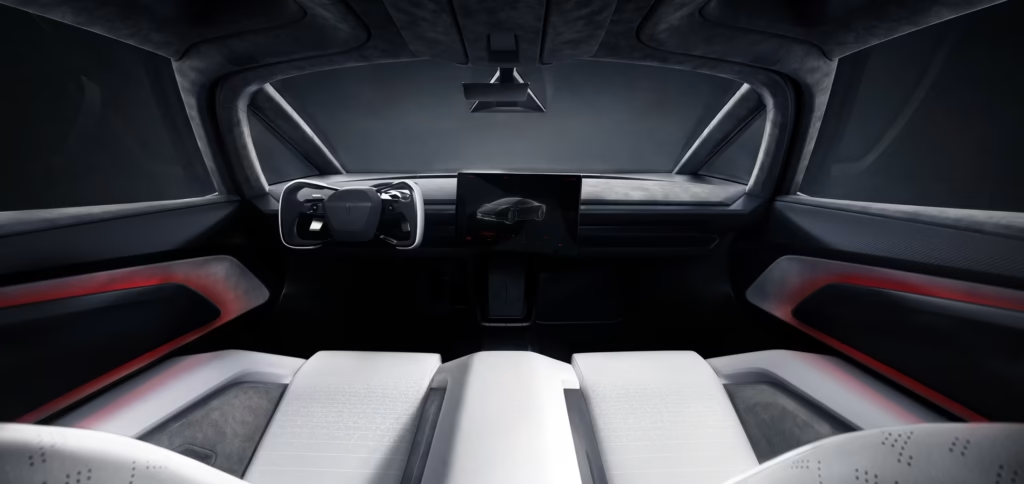
The interior of a high-performance electric sports car must balance driver comfort, visibility, control accessibility and weight reduction.
Tesla’s previous Roadster presentations emphasized a futuristic cabin, a glass roof and a minimalist approach to vehicle controls. The redesigned car’s final interior configuration should be confirmed when production specifications are released.
Digital Driving Controls
Modern electric vehicles rely on electronic control systems to manage propulsion, braking, traction and vehicle stability. The Roadster’s specialized propulsion system would require additional safeguards to prevent unexpected thrust or unsafe interaction with the conventional drivetrain.
A production version would need clearly defined operating modes and safeguards to ensure that experimental aerial functions cannot be activated unintentionally.
Software and Vehicle Management
Software could play an important role in coordinating electric motors, stability controls and any specialized propulsion equipment.
Potential functions include monitoring system temperatures, checking pressure levels, controlling thrust and identifying faults. These are engineering requirements and possibilities, however, rather than a confirmed list of consumer features.
Passenger Comfort and Practicality
A two-seat sports-car layout would suit the Roadster’s performance-oriented mission. However, additional tanks, compressors, thrusters or other equipment could affect passenger space, luggage capacity and vehicle weight.
Tesla will need to demonstrate how the final design accommodates these systems without compromising the basic requirements of a usable road vehicle.
Tesla Flying Roadster Battery and Charging Technology
The Roadster is designed around electric propulsion for conventional driving. Its battery and motor systems will therefore remain central to the vehicle’s everyday performance.
High-Output Battery Systems
Performance electric vehicles require battery systems capable of delivering substantial power while managing heat and maintaining safe operating temperatures.
Rapid acceleration can place significant demands on the battery. Repeated high-power driving may also affect efficiency and thermal performance, depending on the battery chemistry and cooling system.
Tesla has not yet established a final, independently verified battery specification for the redesigned flying Roadster in the information cited here.
Charging Infrastructure
For normal road driving, owners would need access to compatible charging equipment. Tesla’s charging ecosystem may be relevant in markets where the vehicle is sold and supported, although charging compatibility and regional specifications should be checked against the production model.
The specialized propulsion system raises an additional question: how will its energy or propellant requirements be handled? A battery used for the wheels does not automatically provide everything required by a rocket-style thrust system.
Tesla will need to clarify the system’s operating limits, maintenance requirements and replenishment procedures before consumers can assess the car’s practical ownership costs.
Safety Challenges of Tesla’s Flying Roadster
The flying capability is also the vehicle’s biggest engineering challenge.
Cars are designed primarily to remain in contact with the road. Aircraft and other flying vehicles must remain stable in three dimensions, including during changes in altitude, direction and wind conditions.
Adding lift to a sports car introduces a different category of risks.
Stability and Control
A vehicle that leaves the ground loses the stabilizing influence of its tires and road surface. Its motion then depends on the forces acting on it, its center of mass, its control systems and the surrounding environment.
The Roadster would require precise control of thrust and orientation to prevent an uncontrolled rotation or landing.
Emergency Landings
A conventional electric car can normally slow down or stop when a fault occurs, provided its braking and steering systems remain functional. An airborne vehicle faces a more complicated emergency because gravity continues to act on it even if its propulsion system fails.
A safe design would need to address propulsion failures, unexpected loss of lift, control-system faults and the consequences of landing on an unsuitable surface.
Noise, Heat and Propulsion Hazards
Rocket-style propulsion introduces hazards that are uncommon in road vehicles. These may include high-pressure equipment, intense exhaust flows, substantial noise and potential heat exposure.
Such hazards could require protective operating zones and strict limits on where the system can be used. They also make it essential to distinguish a controlled demonstration from routine use on public roads.
Road Legality and Aviation Regulation
A car that can leave the ground may face regulatory requirements beyond those applied to ordinary vehicles. The precise requirements would depend on its actual capabilities, intended use and the laws of each country.
The redesigned Roadster should not be assumed to have authorization for aerial operations on public roads or in public airspace everywhere. Prospective owners should verify the relevant automotive and aviation regulations before attempting to use any flying functions.
Tesla Flying Roadster Price: How Much Could It Cost?
Price is one of the most important unanswered questions for prospective buyers.
The Roadster has been positioned as a premium electric sports car, while its specialized propulsion equipment could make some configurations considerably more expensive than a conventional electric vehicle.
Tesla has not established a confirmed final retail price for the redesigned flying Roadster in the information cited here.
Historical Reservation Prices
When Tesla introduced the next-generation Roadster in 2017, reservations required substantial deposits. Historical reservation arrangements included a $50,000 deposit for standard reservations and a $250,000 deposit for the limited Founders Series.
These amounts refer to historical reservation arrangements, not confirmed final purchase prices for the redesigned vehicle.
Potential buyers should distinguish between:
- A reservation deposit paid to secure a place in a queue.
- The final vehicle purchase price.
- Any premium for a specialized propulsion package.
- Taxes, delivery charges, insurance and maintenance costs.
Expected Pricing in the United States
The United States is a key market to watch because Tesla is headquartered there and the October 2026 demonstration took place in Texas.
Nevertheless, the final US manufacturer’s suggested retail price, configuration pricing and delivery charges should be confirmed directly through Tesla when official ordering information becomes available.
Expected Pricing in Europe
European pricing could differ because of taxes, import arrangements, vehicle certification, delivery costs and local market requirements.
Even if a US price is announced, it should not be converted directly into a definitive European retail price without accounting for these factors.
Expected Pricing in Asia
Asian availability will depend on Tesla’s regional distribution arrangements, local vehicle regulations and the final production configuration.
Customers in markets such as China, Japan, South Korea and India should look for official regional pricing rather than relying on speculative conversions or third-party reservation offers.
Tesla Flying Roadster Availability in Asia, Europe and America
Tesla’s redesigned Roadster has a reported production target of 2028, following the October 2026 reveal. That is a production target, not a guarantee that customer deliveries will begin everywhere in that year.
United States
Tesla’s home market is a key market to monitor for ordering announcements and production updates. The final launch schedule, retail price and road legality of the specialized propulsion system remain important outstanding questions.
Europe
Availability will depend on production volumes, local vehicle certification and applicable safety regulations. The ability to demonstrate aerial maneuvers does not establish approval for those functions on European roads.
Asia
Buyers should watch official Tesla announcements for country-specific ordering, pricing and delivery information. Local taxes, import rules, charging compatibility and regulatory approval may affect the ownership experience.
At the time of writing, the reported 2028 production target should not be interpreted as a confirmed delivery date for every market. Buyers should also be cautious about unofficial dealers claiming guaranteed allocations, fixed prices or immediate access to the flying configuration.
How Does Tesla’s Flying Roadster Compare With Other Electric Hypercars?
The Roadster occupies an unusual position in the electric vehicle market because its ambition extends beyond conventional road performance.
Rimac Nevera
The Rimac Nevera is an electric hypercar focused on extreme acceleration, sophisticated torque control and high-speed performance. Unlike the Roadster’s experimental flying configuration, it is designed to operate on the road.
Porsche Taycan Turbo GT
The Porsche Taycan Turbo GT is a high-performance electric car emphasizing track capability, braking, handling and everyday road usability. It offers a more conventional approach to electric performance.
Tesla Flying Roadster
Its distinguishing feature is the demonstrated integration of rocket-style thrusters for aerial maneuvers. Its final production capabilities, pricing and regulatory status still need confirmation.
The key difference is not simply which vehicle accelerates fastest. It is whether a manufacturer can combine extreme performance with reliability, safety, regulatory compliance and practical ownership.
The Biggest Challenges Facing Tesla’s Flying Roadster
1. Turning a Prototype Into a Production Car
A demonstration vehicle can use specialized components and operate under tightly controlled conditions. A production car must meet repeatable standards for durability, reliability, manufacturing quality and safety.
Tesla will need to demonstrate that its propulsion system can function consistently outside a carefully prepared demonstration environment.
2. Managing the Cost of Ownership
Advanced propulsion systems could increase manufacturing costs and introduce maintenance requirements beyond those of conventional electric cars.
Owners may need specialized inspections, replacement components and trained technicians. These expenses could make the Roadster substantially more expensive to maintain than an ordinary Tesla.
3. Establishing Practical Flying Capabilities
Briefly leaving the ground is not equivalent to sustained flight. A genuinely practical flying vehicle would require dependable flight control, sufficient energy or propellant, defined operating limits and suitable landing arrangements.
It remains unclear how much freedom owners will have to use the Roadster’s aerial functions once the vehicle reaches production.
4. Meeting Different Regional Regulations
Automotive certification differs between countries, while airborne operations may fall under separate aviation rules. The legal requirements for the United States, Europe and individual Asian countries will not necessarily be identical.
These differences could limit which configurations Tesla can sell and how owners can use them.
What Does Tesla’s Flying Roadster Mean for the Future of Transportation?
The Roadster represents an unusual intersection between electric mobility and aerospace engineering.
For decades, flying cars have appeared in science fiction, concept vehicles and experimental engineering projects. Many designs use distributed electric propellers, compact aircraft wings or vertical take-off systems. Tesla’s approach explores rocket-style propulsion integrated into a sports car.
That does not mean rocket-powered passenger cars will replace conventional vehicles. Their complexity, safety requirements and operating costs may restrict them to specialized applications or limited-production machines.
Nevertheless, the engineering work could contribute to broader discussions about propulsion control, lightweight structures, thermal management and integration between automotive and aerospace technologies.
The most important test will be whether the Roadster’s extraordinary demonstration capabilities can be translated into a product that is safe, dependable and legally usable.
Frequently Asked Questions About Tesla’s Flying Roadster
Is Tesla’s Flying Roadster real?
The next-generation Roadster has been associated with experimental rocket-style propulsion technology. Claims about specific demonstrations, production specifications and customer availability should be checked against official Tesla announcements and reliable reporting.
Can the Tesla Roadster actually fly?
The reported prototype demonstration involved leaving the ground and performing aerial maneuvers. This is different from being able to sustain controlled flight over long distances like an airplane or helicopter.
When will Tesla’s Flying Roadster be released?
Following the October 2026 reveal, reports indicated a production target of 2028. This is a target rather than a guarantee of customer deliveries, and schedules may change.
How much will Tesla’s Flying Roadster cost?
A final retail price for the redesigned vehicle has not been confirmed in the information cited here. Historical reservation deposits should not be mistaken for final retail prices.
How fast is the Tesla Flying Roadster?
Earlier Tesla specifications advertised a 0–60 mph time of 1.9 seconds. Newer prototype performance claims require verification, and the final production vehicle’s acceleration and maximum speed remain to be established.
Will the Tesla Flying Roadster be available in Asia and Europe?
Potential availability will depend on Tesla’s production plans, regional distribution and regulatory approval. Country-specific prices and delivery schedules should be confirmed through official Tesla channels.
Does the flying Roadster use ordinary electric motors?
The Roadster’s conventional driving capability is based on electric vehicle technology, while the proposed aerial maneuvers involve a separate specialized propulsion system. The complete production system and its operating specifications need confirmation.
Is Tesla’s Flying Roadster safe for everyday use?
Its final safety and operating limitations remain important questions. Rocket-style propulsion introduces hazards that conventional cars do not face, and the vehicle’s aerial functions may be subject to additional restrictions. Prospective buyers should wait for production specifications, safety information and regulatory approvals.
Can the Tesla Flying Roadster fly anywhere?
No unrestricted capability has been established. Even if a production vehicle retains aerial functions, where and how those functions may legally be used will depend on its design and the applicable automotive and aviation regulations.
Conclusion
Tesla’s Flying Roadster is an ambitious attempt to bring aerospace-inspired propulsion into the world of electric performance cars. The project combines the familiar appeal of an electric sports car with experimental technology designed to explore aerial maneuvers.
However, important questions remain about the production vehicle’s final specifications, retail price, safety systems, driving range and legal status. The reported 2028 production target should not be treated as a guaranteed delivery date.
For now, the Roadster is best understood as an experimental electric hypercar associated with aerial propulsion capabilities, rather than a conventional flying car ready for unrestricted everyday use. Its ultimate significance will depend on whether Tesla can turn its extraordinary engineering ambitions into a reliable, safe and commercially viable vehicle.
Sources and References