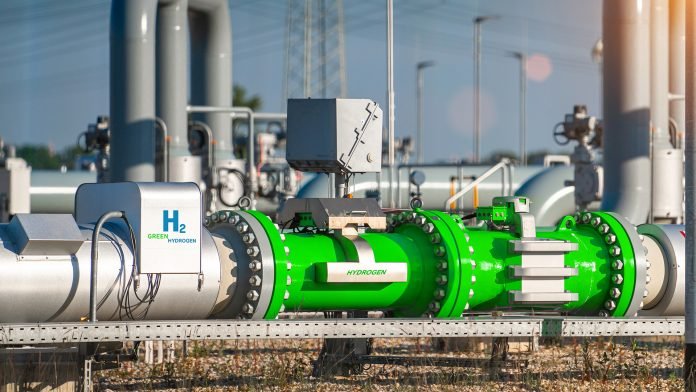

Green hydrogen is emerging as an important technology in the global transition toward lower-emission energy systems. It is hydrogen produced by splitting water into hydrogen and oxygen using electricity generated from renewable sources such as solar, wind, hydropower, or geothermal energy.
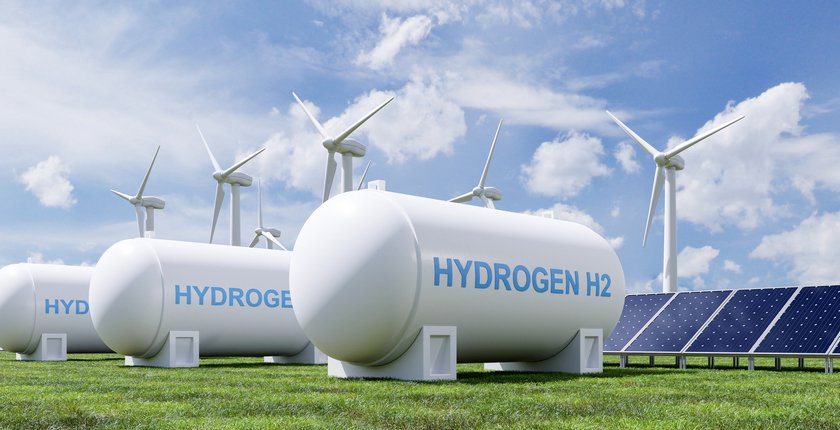
Unlike conventional hydrogen production, which is still dominated by fossil fuels, green hydrogen can be produced without directly relying on natural gas or coal as the primary feedstock. The International Energy Agency reported that global hydrogen production reached almost 100 million tonnes in 2024, while low-emissions hydrogen still represented less than 1% of total production.
Green hydrogen is attracting attention because hydrogen can be used as a chemical feedstock, industrial fuel, energy carrier, transportation fuel, and input for producing other fuels and products. It can also store energy from renewable electricity and potentially connect sectors that are difficult to electrify directly.
However, green hydrogen is not a universal replacement for electricity, batteries, or fossil fuels. Its production requires substantial amounts of renewable electricity, water, electrolysis equipment, infrastructure, storage, and investment. Costs, project development, transportation, and demand remain major challenges.
Table of Contents
Understanding how green hydrogen works therefore requires looking beyond the simple idea of producing hydrogen with solar or wind power. The entire system—from renewable electricity generation to electrolysis, compression, storage, transportation, and final use—affects its economic and environmental performance.
What Is Green Hydrogen?
Green hydrogen is hydrogen produced through water electrolysis using renewable electricity.
The basic reaction is:
2H₂O → 2H₂ + O₂
Electricity is supplied to an electrolyzer, which separates water molecules into hydrogen and oxygen.
The hydrogen can then be:
- Compressed
- Stored
- Transported
- Converted into other chemicals
- Used in fuel cells
- Used as an industrial fuel
- Combined with nitrogen to make ammonia
- Converted into synthetic fuels
The U.S. Department of Energy describes electrolysis as the process of using electricity to split water into hydrogen and oxygen inside an electrolyzer.
For the hydrogen to qualify as “green,” the electricity used in production needs to come from renewable sources under the applicable certification or regulatory definition.
Why Is Green Hydrogen Important?
Hydrogen itself is not a new industrial product.
Hydrogen has been used for decades in industries such as:
- Oil refining
- Ammonia production
- Methanol production
- Chemical manufacturing
The problem is that most existing hydrogen is produced using fossil fuels.
The IEA reports that global hydrogen production remains overwhelmingly dependent on fossil fuels, with natural gas and coal supplying most production.
Green hydrogen provides an alternative production pathway that can significantly reduce emissions when renewable electricity is used and the complete supply chain is appropriately managed.
Its potential importance is greatest in applications where direct electrification is difficult.
How Does Green Hydrogen Work?
Green hydrogen production generally involves several stages.
Renewable Electricity Generation
The process begins with renewable electricity.
Possible sources include:
- Solar photovoltaic power
- Onshore wind
- Offshore wind
- Hydropower
- Geothermal power
The renewable electricity powers the electrolyzer.
IRENA identifies electricity cost as one of the largest cost drivers in renewable hydrogen production.
Water Treatment
Water is supplied to the electrolyzer.
Depending on the system and water source, treatment may be required to meet the purity requirements of the electrolyzer.
This can involve filtration, purification, and potentially desalination when seawater is used indirectly.
Electrolysis
The electrolyzer uses electricity to separate water into hydrogen and oxygen.
The hydrogen is collected as the primary product.
Oxygen is produced as a by-product.
Hydrogen Processing
The hydrogen may need additional processing depending on the application.
This can include:
- Drying
- Purification
- Compression
- Cooling
- Storage preparation
Storage and Transportation
Hydrogen can then be stored locally or transported to the location where it will be used.
Possible transportation methods include:
- Pipelines
- High-pressure tube trailers
- Liquefied hydrogen
- Ammonia
- Other hydrogen carriers
What Is an Electrolyzer?
An electrolyzer is the central machine used to produce green hydrogen.
It uses electricity to split water into hydrogen and oxygen.
An electrolyzer contains electrodes and an electrolyte or membrane that allows the required electrochemical reactions to take place.
Different electrolyzer technologies have different characteristics.
The main technologies include:
- Alkaline electrolyzers
- Proton exchange membrane electrolyzers
- Solid oxide electrolyzers
- Anion exchange membrane electrolyzers
Alkaline Electrolyzers
Alkaline electrolysis is one of the most established electrolysis technologies.
It uses an alkaline electrolyte to transport ions between electrodes.
Advantages can include:
- Commercial maturity
- Relatively established manufacturing
- Long operating history
Potential disadvantages include relatively slower dynamic response compared with some alternatives and system-specific requirements related to operation and gas separation.
Proton Exchange Membrane Electrolyzers
Proton exchange membrane, or PEM, electrolyzers use a solid polymer electrolyte.
PEM systems are attractive because they can respond rapidly to changes in electricity supply.
This can make them useful when connected to variable renewable energy sources such as solar and wind.
The U.S. Department of Energy identifies PEM electrolyzers as one of the major electrolyzer categories and explains that the technology uses a solid polymer electrolyte.
Solid Oxide Electrolyzers
Solid oxide electrolysis operates at high temperatures.
Instead of relying entirely on electricity for the energy required to split water, some of the required energy can be supplied as heat.
This can potentially improve efficiency when suitable sources of high-temperature heat are available.
However, high operating temperatures introduce different materials and durability requirements.
Anion Exchange Membrane Electrolyzers
Anion exchange membrane technology combines characteristics associated with alkaline and membrane-based electrolysis.
It remains an area of technological development and could potentially reduce reliance on certain expensive catalyst materials.
Continued research is focused on improving durability, efficiency, cost and scalability.
Green Hydrogen and Renewable Energy
Green hydrogen creates a connection between electricity and molecules.
Solar and wind generate electricity.
Electrolyzers convert some of that electricity into hydrogen.
The hydrogen can then be stored and used later.
This means hydrogen can function as a form of chemical energy storage.
For example, electricity generated by a solar farm during periods of strong sunlight could power an electrolyzer. The resulting hydrogen could be stored and later used as an industrial fuel or chemical feedstock.
The U.S. Department of Energy notes that electrolysis can potentially complement variable renewable generation and can make use of periods of excess renewable electricity.
Green Hydrogen vs Gray Hydrogen
Gray hydrogen is generally produced from fossil fuels without capturing the resulting carbon dioxide emissions.
Natural gas is commonly used as a feedstock through processes such as steam methane reforming.
The key difference is therefore the production pathway.
Green hydrogen:
Renewable electricity + water → hydrogen + oxygen
Gray hydrogen:
Natural gas or another fossil feedstock → hydrogen + carbon-containing emissions
Gray hydrogen can be produced at large scale using established infrastructure, but its production is associated with substantial greenhouse-gas emissions.
Green Hydrogen vs Blue Hydrogen
Blue hydrogen generally refers to hydrogen produced from fossil fuels while capturing and storing a significant portion of the resulting carbon dioxide.
Green hydrogen uses renewable electricity and water through electrolysis.
Neither label alone tells the entire environmental story.
For green hydrogen, the emissions associated with manufacturing renewable equipment, building infrastructure, producing electrolyzers, and supplying electricity should be considered.
For blue hydrogen, methane emissions from natural-gas production and transport, carbon-capture performance, and the permanence of carbon storage can affect lifecycle emissions.
The IEA therefore treats low-emissions hydrogen as a broader category that can include multiple production routes rather than equating all low-emissions hydrogen with one specific technology.
Green Hydrogen vs Turquoise Hydrogen
Turquoise hydrogen generally refers to hydrogen produced from natural gas through methane pyrolysis, with solid carbon produced instead of directly releasing all carbon as carbon dioxide.
It is different from green hydrogen because the feedstock is generally fossil-based.
Its environmental performance depends on methane supply, process energy, carbon management and other lifecycle factors.
Green Hydrogen vs Yellow Hydrogen
Yellow hydrogen is a term sometimes used for hydrogen produced through electrolysis using electricity from the grid or, in some definitions, specifically solar electricity.
Terminology is not completely standardized worldwide.
For this reason, it is important to examine the actual electricity source rather than relying only on color labels.
Green Hydrogen Production With Solar Power
Solar energy is one of the most obvious renewable electricity sources for green hydrogen.
A solar-powered hydrogen plant can combine:
- Solar panels
- Electrical equipment
- Water treatment
- Electrolyzers
- Hydrogen processing
- Compression
- Storage
The major advantage is the availability of renewable electricity in regions with strong solar resources.
However, solar generation varies throughout the day and across seasons.
An electrolyzer may therefore operate at different utilization rates unless electricity is supplemented by other renewable sources, grid electricity that meets the relevant renewable criteria, or electricity storage.
Green Hydrogen Production With Wind Power
Wind power can also supply electricity to electrolyzers.
Wind turbines can generate electricity during both day and night, although output changes according to wind conditions.
Combining wind and solar can improve the utilization profile of a hydrogen production facility.
Large renewable hydrogen projects may therefore use a combination of renewable resources.
Water Requirements for Green Hydrogen
Water is an essential feedstock for electrolysis.
The theoretical amount of water required is relatively small compared with the amount of hydrogen produced, but real facilities require additional water for purification and other processes.
Water availability can become important when hydrogen projects are developed in dry regions.
IRENA notes that water requirements for green hydrogen production are relatively small compared with water use associated with thermal electricity generation, and that desalination can be used in water-stressed regions where seawater is available.
This does not mean water considerations can be ignored.
Large hydrogen projects should assess local water availability, competing uses, environmental impacts and desalination requirements.
Green Hydrogen Storage
Hydrogen is difficult to store compared with many conventional fuels because of its low volumetric energy density.
Common storage approaches include compressed hydrogen and liquid hydrogen.
Compressed Hydrogen
Hydrogen can be compressed into high-pressure tanks.
This is widely used for smaller-scale applications and vehicle refueling.
Liquid Hydrogen
Hydrogen can be cooled to extremely low temperatures until it becomes liquid.
Liquid hydrogen has higher volumetric energy density than compressed hydrogen but requires significant energy for liquefaction and specialized cryogenic storage.
Underground Hydrogen Storage
Large quantities of hydrogen could potentially be stored underground in suitable geological formations.
This approach may become important for balancing seasonal energy supply and demand if hydrogen infrastructure expands significantly.
Green Hydrogen Transportation
Moving hydrogen from production sites to users is a major infrastructure challenge.
Hydrogen can be transported through pipelines or in specialized vehicles.
Another option is to convert hydrogen into a more easily transported chemical carrier.
Hydrogen Pipelines
Pipelines can transport large quantities of hydrogen.
However, hydrogen’s physical and chemical properties create engineering considerations, including material compatibility and leakage management.
Hydrogen Trucks
Compressed hydrogen can be transported in high-pressure containers by road.
This is more suitable for relatively smaller quantities or shorter distances.
Hydrogen as Ammonia
Hydrogen can be combined with nitrogen to produce ammonia.
Ammonia is easier to liquefy and transport than pure hydrogen under many conditions and already has a large global trade infrastructure because of its use as a fertilizer feedstock.
Ammonia can therefore act as a potential hydrogen carrier.
Green Hydrogen for Steel Production
Steelmaking is one of the most frequently discussed applications of green hydrogen.
Traditional iron production can use coal-derived materials.
Hydrogen can instead be used as a reducing agent in direct reduced iron processes.
The chemical reaction can produce water rather than carbon dioxide at the point where hydrogen performs the reduction.
IRENA identifies steel among the hard-to-decarbonize sectors where green hydrogen could play an important role.
However, green hydrogen-based steelmaking also requires large quantities of renewable electricity and supporting infrastructure.
Green Hydrogen in Fertilizer Production
Hydrogen is already essential to ammonia production.
Ammonia is a major ingredient in nitrogen fertilizers.
Most conventional hydrogen used for ammonia production is fossil-based.
Replacing conventional hydrogen with green hydrogen can therefore reduce the carbon intensity of ammonia production if the renewable electricity and other parts of the supply chain are appropriately managed.
This is potentially one of the most direct large-scale applications for green hydrogen because hydrogen is already required as a chemical feedstock.
Green Hydrogen in Shipping
Hydrogen itself can potentially be used in maritime applications, but hydrogen-derived fuels may be more practical for many long-distance shipping applications.
Potential fuels include:
- Green ammonia
- Green methanol
- Synthetic hydrocarbons
Green hydrogen can provide the renewable hydrogen component required to produce some of these fuels.
Shipping is considered a difficult sector to decarbonize through direct electrification because of the energy requirements of long-distance voyages.
Green Hydrogen in Aviation
Directly using hydrogen in aviation presents significant engineering challenges.
Hydrogen has high energy per unit of mass but low energy density by volume.
This creates storage challenges on aircraft.
Instead of using hydrogen directly, renewable hydrogen can also be combined with captured carbon to produce synthetic aviation fuels.
These fuels can potentially be used within existing or modified aviation fuel systems depending on the fuel and applicable standards.
IRENA identifies aviation among sectors where green hydrogen and hydrogen-derived fuels could contribute to decarbonization.
Green Hydrogen in Transportation
Hydrogen fuel-cell vehicles use hydrogen to generate electricity through an electrochemical reaction.
A fuel-cell vehicle typically contains:
- Hydrogen storage tanks
- Fuel-cell stack
- Electric motor
- Battery or buffer system
- Power electronics
- Vehicle control systems
The fuel cell converts hydrogen and oxygen into electricity, with water and heat as reaction products.
Hydrogen fuel-cell vehicles can offer relatively fast refueling and long driving ranges, but the overall energy efficiency of using renewable electricity to produce hydrogen and then convert it back to electricity is generally lower than using that electricity directly in a battery-electric vehicle.
This is one reason hydrogen mobility is more frequently discussed for particular applications where batteries may be less convenient.
Green Hydrogen for Heavy Transport
Potential applications include:
- Heavy trucks
- Buses
- Long-distance transport
- Mining vehicles
- Rail
- Specialized industrial vehicles
The suitability of hydrogen depends on vehicle weight, duty cycle, refueling infrastructure, route characteristics and the availability of alternative technologies.
Hydrogen is therefore better viewed as one possible pathway for specific transportation applications rather than a universal replacement for batteries.
Green Hydrogen in Power Generation
Hydrogen can also be used as a fuel for electricity generation.
Potential applications include:
- Gas turbines
- Fuel cells
- Backup generators
- Seasonal energy storage
Hydrogen can theoretically be produced when renewable electricity is abundant and then converted back into electricity when demand is high.
However, every conversion step involves energy losses.
Hydrogen-based electricity storage therefore needs to be compared with alternatives such as batteries, pumped hydroelectric storage and thermal storage according to duration, scale, location and system requirements.
Green Hydrogen and Energy Storage
One of hydrogen’s major potential advantages is long-duration energy storage.
Batteries are particularly effective for many short-duration applications.
Hydrogen can potentially store energy for much longer periods.
For example:
- Renewable electricity is generated.
- Electrolyzers produce hydrogen.
- Hydrogen is stored.
- Hydrogen is later converted into electricity or used directly.
This creates a pathway for storing renewable energy across longer periods.
The overall efficiency is lower than simply using electricity directly, but hydrogen may provide services that are difficult to deliver economically with batteries alone.
Benefits of Green Hydrogen
Low Direct Carbon Emissions During Production
When renewable electricity powers electrolysis, the electrolysis process itself does not require fossil fuel combustion.
The main products are hydrogen and oxygen.
Supports Renewable Energy Integration
Electrolyzers can create an additional demand for renewable electricity.
They may also consume electricity during periods when renewable generation is abundant.
Decarbonizes Industrial Feedstocks
Hydrogen is already required in several industrial processes.
Replacing fossil-derived hydrogen with renewable hydrogen can address emissions at their source.
Useful for Hard-to-Electrify Sectors
Steel, chemicals, shipping, aviation fuels and some high-temperature industrial processes may require molecules rather than direct electricity.
Energy Storage
Hydrogen can store energy in chemical form.
Potential for International Trade
Renewable hydrogen can potentially be converted into ammonia or other carriers and traded between regions.
Supports New Industrial Value Chains
Green hydrogen development can stimulate demand for:
- Electrolyzers
- Renewable electricity
- Storage systems
- Pipelines
- Fuel cells
- Hydrogen compressors
- Renewable fuels
- Industrial equipment
Challenges of Green Hydrogen
High Production Cost
Green hydrogen remains more expensive than conventional fossil-based hydrogen in many markets.
The IEA reported in 2025 that renewable and low-carbon hydrogen remained more expensive than hydrogen produced from unabated fossil fuels.
High Electricity Requirement
Electrolysis requires significant quantities of electricity.
This means the availability of low-cost renewable electricity is fundamental to the economics of green hydrogen.
Electrolyzer Cost
Electrolyzers can represent a substantial capital investment.
IRENA identifies electrolyzer investment cost, electricity price, operating hours and system efficiency as major factors influencing green hydrogen costs.
Infrastructure
Large-scale hydrogen deployment requires:
- Production facilities
- Pipelines
- Storage
- Refueling stations
- Ports
- Export terminals
- Compression systems
- Safety systems
Much of this infrastructure still needs to be developed.
Hydrogen Leakage
Hydrogen is a very small molecule and can escape through small openings.
Although hydrogen is not a greenhouse gas in the same way as carbon dioxide, atmospheric hydrogen can influence atmospheric chemistry and therefore its leakage should be minimized.
Water Availability
Large-scale production requires reliable water supplies and appropriate water treatment.
Project Financing
Hydrogen projects require significant upfront investment.
Uncertainty about future hydrogen prices, regulations, subsidies and customers can make financing difficult.
Green Hydrogen and Efficiency
One of the most important considerations is energy efficiency.
Suppose renewable electricity is generated.
It can be used directly to power an electric motor.
Alternatively, it can power an electrolyzer to produce hydrogen, which is then compressed, transported and converted back into electricity through a fuel cell.
Every conversion introduces losses.
For this reason, using hydrogen makes most sense where its unique characteristics provide value that direct electricity cannot easily provide.
This is particularly relevant to industrial feedstocks, certain high-temperature processes, chemical production and some long-duration energy-storage applications.
Green Hydrogen Costs
The cost of green hydrogen depends on multiple variables.
Important factors include:
- Renewable electricity price
- Electrolyzer capital cost
- Electrolyzer efficiency
- Operating hours
- Financing cost
- Water cost
- Compression
- Storage
- Transportation
- Plant size
- Capacity utilization
- Renewable resource quality
IRENA identifies renewable electricity as the largest cost driver in many green hydrogen production systems. It also highlights the importance of reducing electrolyzer costs through improved design, larger systems, manufacturing scale and standardized deployment.
Can Green Hydrogen Become Cheaper?
There is significant potential for cost reductions.
Renewable electricity costs have declined substantially over the past decade in many markets.
IRENA’s latest renewable-cost assessment reports that renewables remained the most cost-competitive source of new electricity generation in 2025, with more than 90% of utility-scale renewable projects commissioned that year delivering electricity below the cost of the cheapest new fossil-fuel plant in their respective markets.
At the same time, electrolyzer manufacturing is expanding.
IRENA identifies several potential cost-reduction strategies, including:
- Larger electrolyzer modules
- Mass manufacturing
- Improved efficiency
- Longer equipment lifetimes
- Standardized designs
- Better supply chains
- Reduced material requirements
Green Hydrogen and the Global Energy Transition
Hydrogen is often described as an energy carrier rather than a primary energy source.
Solar and wind provide primary energy.
Electrolysis converts some of that energy into hydrogen.
Hydrogen can then be stored and transported before being converted into another useful form of energy or used directly as a chemical feedstock.
This makes hydrogen similar in some ways to an energy-storage medium.
Its main advantage is that it can transport and store energy in molecular form.
Green Hydrogen Projects Around the World
Interest in green hydrogen has led to projects in numerous regions.
Major project activity has emerged in:
- Europe
- China
- Australia
- The Middle East
- India
- North America
- Latin America
- Africa
The IEA’s 2025 Global Hydrogen Review reported that more than 200 low-emissions hydrogen projects had reached committed-investment status, although the sector continued to face project delays, cost pressures, regulatory uncertainty and difficulties securing reliable buyers.
The IEA also reported that only a fraction of the announced project pipeline is likely to be operational by 2030 because of development timelines, financing challenges, regulatory barriers and uncertain demand.
Green Hydrogen in Africa
Africa has significant potential for renewable hydrogen because several regions have strong solar and wind resources.
Potential production locations include areas with:
- High solar irradiation
- Strong wind resources
- Available land
- Port access
- Industrial demand
- Potential renewable-energy development
Green hydrogen could potentially support industries such as:
- Fertilizer production
- Steel
- Mining
- Chemicals
- Heavy transport
- Shipping fuels
- Electricity generation
However, African hydrogen projects also face challenges involving infrastructure, financing, water availability, domestic energy needs, regulatory frameworks and access to international markets.
For countries with electricity-access challenges, hydrogen projects should also be assessed against the need to expand affordable electricity for households and local industries.
Green Hydrogen and Developing Economies
Developing countries with abundant renewable resources could potentially use green hydrogen to build new industrial value chains rather than simply exporting raw energy.
For example, renewable electricity could support local production of:
- Green ammonia
- Green fertilizers
- Green steel
- Synthetic fuels
- Hydrogen-derived chemicals
This approach could potentially create more local economic value than exporting hydrogen alone.
However, large-scale projects need clear economic and environmental planning to ensure that local populations benefit from infrastructure and industrial development.
Green Hydrogen and Ammonia
Ammonia is one of the most important potential products of green hydrogen.
The basic process combines hydrogen with nitrogen:
N₂ + 3H₂ → 2NH₃
Green hydrogen provides the hydrogen component.
Nitrogen can be separated from air.
The resulting ammonia can be used for:
- Fertilizer
- Chemical production
- Shipping fuel
- Hydrogen transport
- Energy storage
Green ammonia is therefore closely connected to the development of the green hydrogen industry.
Green Hydrogen and Synthetic Fuels
Green hydrogen can also be combined with carbon dioxide to produce synthetic hydrocarbons.
Depending on the process, products can include:
- Synthetic aviation fuel
- Synthetic diesel
- Synthetic methanol
- Other e-fuels
The climate benefit depends heavily on where the carbon dioxide comes from and the electricity used throughout the production process.
If fossil carbon dioxide is continuously added to the atmosphere, the climate benefit may be reduced.
Using biogenic carbon or atmospheric carbon capture can provide different lifecycle characteristics.
Green Hydrogen Safety
Hydrogen is highly flammable and requires appropriate safety engineering.
Hydrogen systems need to manage:
- Leakage
- Pressure
- Ventilation
- Ignition sources
- Material compatibility
- Storage
- Transportation
- Emergency response
Hydrogen has a wide flammability range in air and a low ignition energy, which means facilities must be carefully designed.
Appropriate engineering standards, detection systems, ventilation and operating procedures are therefore essential.
The Future of Green Hydrogen
The future of green hydrogen will depend on several factors.
Cheaper Renewable Electricity
Low-cost renewable electricity is one of the strongest foundations for competitive green hydrogen.
Better Electrolyzers
Future electrolyzers are expected to focus on:
- Higher efficiency
- Greater durability
- Lower capital cost
- Faster response
- Reduced critical-material requirements
Larger Projects
Electrolyzer projects are becoming larger.
The IEA reported that the world’s largest electrolyzer project had grown from 30 MW in 2021 to a 500 MW project commissioned in China in 2025, illustrating the rapid increase in project scale.
Better Hydrogen Infrastructure
Expansion of pipelines, storage facilities, ports and hydrogen terminals could reduce transportation barriers.
International Standards
Clear rules for measuring emissions and certifying renewable hydrogen will be important for international trade.
New Industrial Markets
Demand could grow through green steel, ammonia, shipping fuels, synthetic fuels and other applications.
Frequently Asked Questions About Green Hydrogen
What is green hydrogen?
Green hydrogen is hydrogen produced by splitting water through electrolysis using renewable electricity.
How is green hydrogen produced?
Renewable electricity powers an electrolyzer, which separates water into hydrogen and oxygen.
Is green hydrogen completely emission-free?
The electrolysis process powered by renewable electricity does not directly produce carbon dioxide from fossil fuel combustion, but the complete lifecycle can have emissions from manufacturing equipment, building infrastructure, transporting materials and other activities.
What is an electrolyzer?
An electrolyzer is a device that uses electricity to split water into hydrogen and oxygen.
What renewable energy sources can produce green hydrogen?
Solar, wind, hydropower and geothermal electricity can all potentially provide renewable electricity for electrolysis.
Is green hydrogen renewable?
When it is produced using renewable electricity and water, green hydrogen is generally classified as renewable hydrogen.
Is green hydrogen expensive?
Green hydrogen remains relatively expensive compared with conventional fossil-based hydrogen in many markets. Its cost depends heavily on renewable electricity prices, electrolyzer costs, operating hours, financing and infrastructure.
What is green hydrogen used for?
Potential applications include fertilizer production, steelmaking, chemical manufacturing, shipping fuels, synthetic fuels, heavy transport, industrial heat and energy storage.
Can green hydrogen replace natural gas?
Green hydrogen can potentially replace natural gas in some industrial applications, power systems or fuel uses, but it is not necessarily the most efficient replacement in every application.
Is green hydrogen better than batteries?
They serve different purposes. Batteries are generally efficient for many short-duration electricity-storage and transportation applications, while hydrogen can provide chemical feedstock, fuel and potentially long-duration storage.
What is blue hydrogen?
Blue hydrogen is generally hydrogen produced from fossil fuels with carbon capture and storage. It differs from green hydrogen, which uses renewable electricity and water electrolysis.
What is gray hydrogen?
Gray hydrogen is generally produced from fossil fuels without capturing the associated carbon dioxide emissions.
What is green ammonia?
Green ammonia is ammonia produced using hydrogen made from renewable electricity, typically through electrolysis.
Can hydrogen be stored?
Yes. Hydrogen can be stored as compressed gas, liquid hydrogen, or potentially in underground storage systems.
Can green hydrogen be transported?
Yes. Hydrogen can be transported through pipelines, high-pressure containers or as a chemical carrier such as ammonia.
Does green hydrogen require water?
Yes. Water is the feedstock for electrolysis, although the amount required for the electrochemical reaction is relatively small compared with many industrial water uses. Additional water may be required for purification and other processes.
Can green hydrogen be used in cars?
Yes. Hydrogen fuel-cell vehicles can use hydrogen to generate electricity for an electric motor. However, hydrogen vehicles compete with battery-electric vehicles and are more relevant to certain applications than others.
Can green hydrogen be used in airplanes?
Hydrogen can potentially be used directly or as an input for synthetic aviation fuels, although aviation presents substantial technical and infrastructure challenges.
What are the disadvantages of green hydrogen?
Major challenges include high production costs, substantial electricity requirements, electrolyzer costs, storage and transportation difficulties, infrastructure requirements, water considerations and the need to establish reliable markets.
Will green hydrogen replace fossil fuels?
Green hydrogen could replace fossil-derived hydrogen and some fossil fuels in particular industrial, chemical, transportation and energy applications. It is unlikely to replace every fossil-fuel application because direct electrification is often more efficient where it is technically and economically practical.
Conclusion
Green hydrogen is produced by using renewable electricity to split water into hydrogen and oxygen through electrolysis. Its importance comes from the fact that hydrogen can perform roles that electricity alone cannot always perform easily. It can act as an industrial feedstock, fuel, chemical building block, energy-storage medium and component of products such as ammonia and synthetic fuels.
The technology is particularly relevant to sectors that are difficult to electrify directly, including parts of steelmaking, chemicals, shipping, aviation fuels and certain high-temperature industrial processes. IRENA identifies these hard-to-decarbonize sectors as important potential markets for green hydrogen, while the IEA continues to track rapid growth in low-emissions hydrogen projects alongside significant cost, infrastructure, regulatory and demand challenges.
Green hydrogen should not, however, be treated as a universal replacement for direct renewable electricity. Producing hydrogen through electrolysis requires substantial electricity, and converting that hydrogen back into useful energy creates additional losses. Its strongest applications are therefore likely to be those where the properties of a hydrogen molecule provide a practical advantage over direct electrification.
The future of green hydrogen will depend on cheaper renewable electricity, more efficient and durable electrolyzers, larger-scale manufacturing, improved infrastructure, clear certification systems, reliable customers and supportive policy frameworks. The IEA’s 2025 assessment shows that the industry has made significant progress but that many announced projects still face delays and financing, regulatory and offtake challenges.
For further research, authoritative information is available from the International Energy Agency (IEA), the International Renewable Energy Agency (IRENA), and the U.S. Department of Energy. These sources provide additional information on hydrogen production, electrolysis, renewable energy integration, costs, infrastructure, industrial applications and the future development of low-emissions hydrogen.